
From Chlorine to Carnegie Hall
Movement III: A Cassette, a Car Ride, and a Crash Course in Swing
This essay is part of a four-movement series, From Chlorine to Carnegie Hall.
Movement III explores how listening—often passively, sometimes accidentally—can become the most powerful teacher.
The third piece of music that accidentally changed my life came on a cassette. I had somehow ended up with a box of big band music, random artists on tapes, mostly from the 1940s swing era. I think the tapes came from my grandfather’s basement, my maternal grandfather, Harry Oswald.
Back in middle school, probably sixth or seventh grade, my family took a vacation to New England. We visited Boston, Rhode Island, Vermont, and a few other places. For most of that trip, I remember listening to Beethoven’s Symphony No. 5 and a few other pieces on cassette. At the time, I’d been taking piano lessons and was really into the Sturm und Drang of Beethoven.
So from Philadelphia to New England, a drive of at least seven or eight hours, we rode in an orange Datsun 210 hatchback. It was quite a sight: the four of us jammed into that little orange car, surrounded by bags and supplies stacked in the back. The car itself was basic, it had no air conditioning and only an AM radio, so if I wanted to hear my own music, I had to rely on my Sony Walkman.
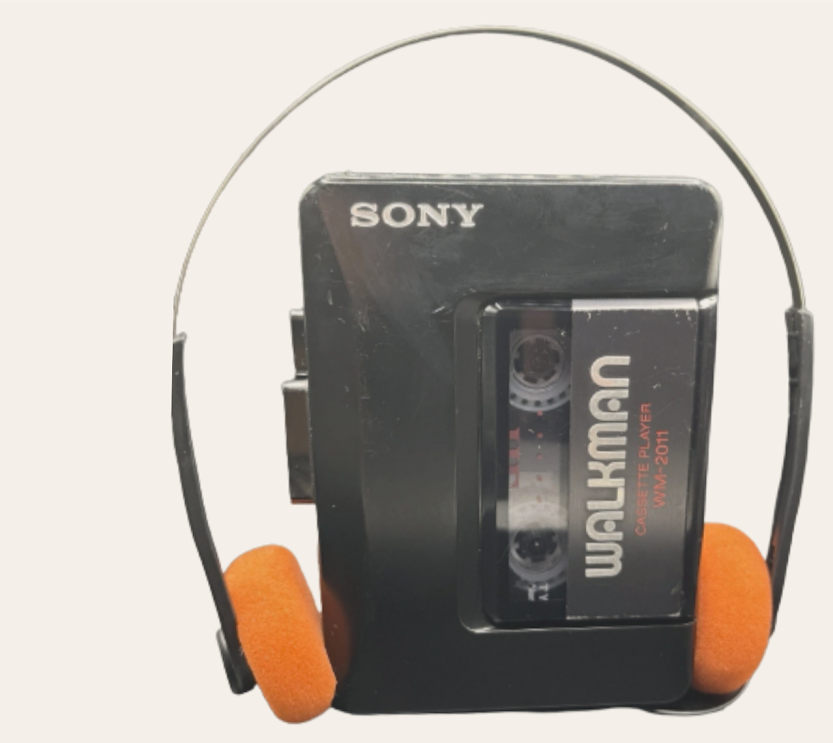
Most of my listening on the way up was Beethoven. But I also had a few Glenn Miller Orchestra tapes, particularly his Army Air Corps recordings. I was soaking up a lot of that music through my headphones as we made our way north.
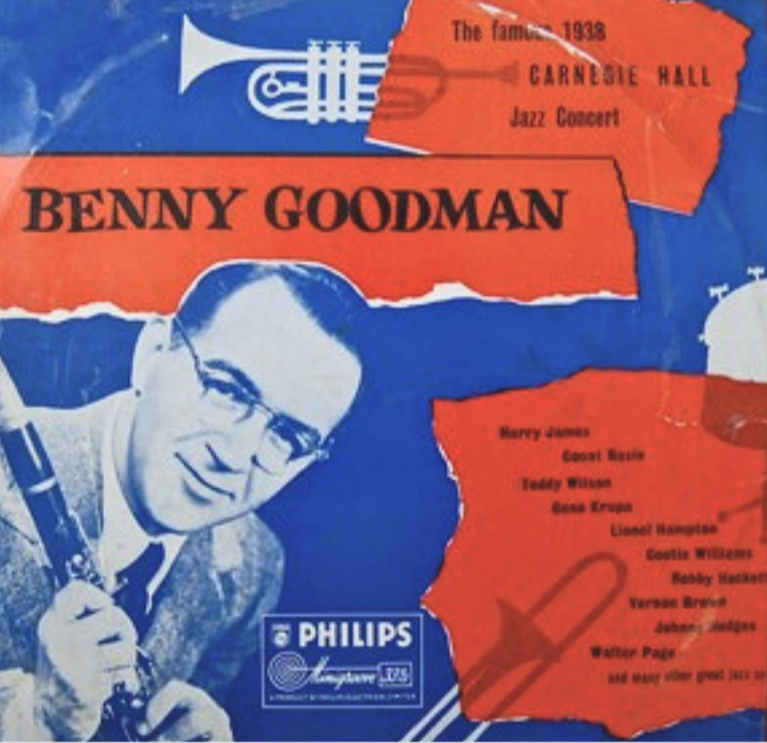
By the time the week was over and we were headed south toward home, I was tired of those tapes. I reached into the box of cassettes from my grandfather’s basement and pulled one out labeled The Benny Goodman Carnegie Hall Concert, 1938. I popped it into the Walkman. By chance, it was already cued to “Sing, Sing, Sing.”
At that point, I had never played the drums. I was a fan, and I had always thought I might try it someday, but up until then I was just a piano player. I wasn’t in a band, and my middle school didn’t have any arts or music programs, so music was something I just did on my own.
I was sitting in the backseat of my parents’ car, headed south on the Garden State Parkway, probably somewhere past New Brunswick, New Jersey. I slipped on my headphones and pressed play.
That’s when I heard Gene Krupa for the first time.
Right from the opening tom-tom pattern of “Sing, Sing, Sing,” something shifted.
To say that was a pivotal moment is an understatement. I instantly fell in love with the sound of the drums. I knew that’s what I wanted to do.
Within a year and a half or so, I had joined the high school marching band, starting on xylophone, and eventually working my way to the drum set. That cassette I brought along on the trip, put on out of sheer boredom, ended up changing my life. Gene Krupa became my first drumming hero, long before I ever had a formal drum lesson.
These days, I’ve learned to resist the urge to fill the silence for my students or my own kids. I actually want them to be bored. Because boredom, I’ve found, can lead to discovery. That moment in the car, born out of boredom and delivered through a pair of Walkman headphones, launched me in a direction I never expected.
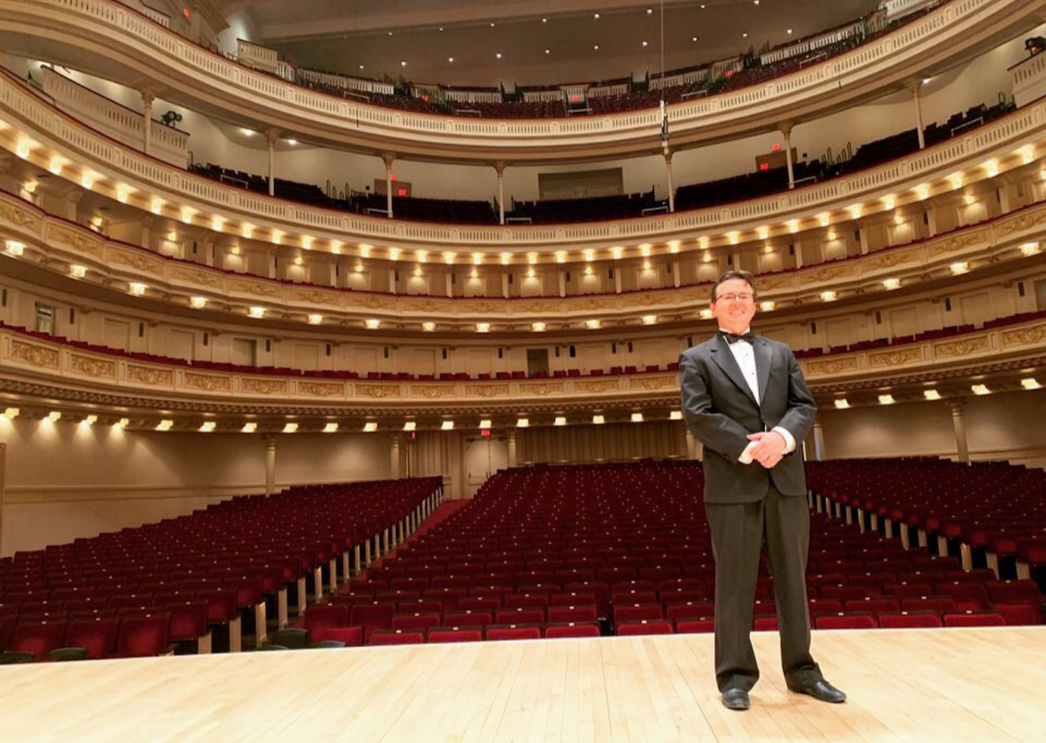
My own connection to Carnegie Hall eventually went even deeper. In 2015, my composition Kākū, kūpala | Fear in Neutral Buoyancy was premiered on that very same stage. And in 2019, I performed on drum set for a sold-out house with the Philadelphia Boys Choir and Chorus. It was an almost out-of-body experience, I was standing on the exact same stage where that Benny Goodman recording had been made, the same sound that had supercharged my musical journey in the back of a Datsun years before.
They say, “How do you get to Carnegie Hall?”
The answer is practice. Hard work.
For me, it was also a single cassette tape and a Sony Walkman.